
CIPD Level 5 End Point Assessment Consultative Project (K2.1) (K3.1) Explain the external market and sector, products and services. Include your understanding of how the organisation is structured, where your role fits, values of the organisation, challenges and issues, how these apply to your role and policies and processes.
- Introduction
1.1 Organisational Overview
Hilton Hotels Worldwide, founded in 1919 by Conrad Hilton, has grown into one of the world’s largest and most recognised brand in the hospitality and tourism industry. The organisation excels in the ownership, management, development, and franchising of lodging properties, including hotels, resorts, and timeshare properties. For example, in Figure 1, high‐end labels such as Waldorf Astoria deliver exclusive luxury experiences, while more accessible options like Hampton by Hilton cater to cost‐conscious travellers and business guests. In the UK and Ireland, Hilton’s operations span 50 managed properties and two corporate offices with head offices in England and Glasgow. With nearly 9,000 team members. With close to 8 million visitors annually across all European hotels, Hilton hotel receives close to 4.5 million business travellers and 3 million leisure travellers annually.
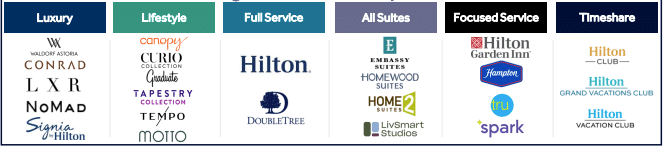
Fig 1. Hilton Hotels Worldwide Services
1.2 Industry and Products/Services
Hilton hotels holds a 7% worldwide market share and a 10% UK market share against other industry giants like Marriot with 15% worldwide and 12% UK market share. By investing in integrated digital systems, Hilton’s streamlined booking processes offer live, 24/7 guest support through its Hilton Honors mobile application, demonstrating sector leadership of technological innovation; Latterly.org’s 2024 report commented that Hilton Honors integrated loyalty programme has engaged over 203 million customers through personalised benefits and rewards, concurrently reinforcing brand loyalty, promoting customer retention, and encouraging repeat business.
1.3 External Market and Sector Characteristics
Hilton hotels UK and Ireland, as part of a leading global hospitality company with a diverse portfolio, operates in an external diverse, highly competitive market characterised by dynamism and constant need for innovation. Key features of the hospitality industry external market include;
1.3.1. Competitive Environment
Hilton brand has cultivated customer trust and loyalty as one of the most recognisable names in hospitality. This brand equity enables Hilton to sustain premium pricing and dominate competitive markets, even in challenging economic climates including; rising operational costs, Brexit. However, Hilton’s competitors include Marriott International, Hyatt, and emerging boutique hotel chains.
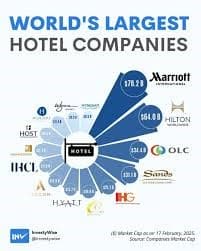
Figure 2: Hilton worldwide major competitors
1.3.2. Digital Transformation
The external market is increasingly shaped by technology. Innovations including mobile applications, AI-driven guest services, and digital self-check-in are becoming essential. Hilton’s digital transformation, for example, the Hilton Digital HR Strategy helps maintain its competitive edge. However, increasing data breaches in the hospitality industry, often expose sensitive customer information, including credit card details and personal identification Hilton’s reliance on technology for booking systems, guest management, and data analytics risk cybersecurity threats.
1.3.3. Evolving Customer Demographics
The customer demographics for Hilton hotel demonstrates significant change. Hilton’s customer base in now increasingly consisting of younger travellers, with Gen Z and Millennials representing over 40% of Hilton’s bookings (Hilton report, 2025). Additionally, with culturally diverse guests the hotel is now offers more inclusive services and multilingual staff.
1.3.4 Sustainability and Ethical Practices
Local Authorities, the Health and Safety Executive (HSE), Foods standards Agency (FSA) and The Environment agency (EA) demand high standards of sustainability and corporate social responsibility. Increased consumer preference for environmentally responsible brands offers opportunities for Hilton through initiatives like the Clean Stay programme and green operational practices, being essential in today’s environmentally conscious market. Both demonstrate Hilton’s leadership in eco-friendly hospitality significantly lowering operational costs while appealing to eco-conscious guests.
1.4 Current Business Context and Challenges
Hilton hotels UK and Ireland faces numerous challenges from the external environment, including current economic conditions and regional factors. They are explained below;
1.4.1 Ever-increasing Competitive Environment
While competing with top industry hotels like Marriot, Hilton faces competition in pricing, location and even service, hence having to invest heavily to stand out. Peak periods especially, booking competition intensifies and many hospitality establishments adjust prices to attract a higher number of customers.
1.4.2 Regulatory and Compliance Challenges
Managing approximately 50 properties in the UK and Ireland, Hilton must accommodate a complex web of regulations, including employment laws, environmental standards, tax requirements, and health and safety protocols, including: Equality Act 2010, HSWA 1984, GDPR and the Environment Act 2021. Stricter ecological laws in regions like the EU, requiring compliance to sustainability and carbon neutrality standards, further increasing operational costs for Hilton.
1.4.3 Shifts in Consumer Preferences
The growing preference for authentic, personalised travel experiences significantly challenge traditional hotel chains like Hilton. Lifestyle brands, boutique hotels, and shared-economy accommodations are gaining favour among younger, experience-driven travellers. Hilton 2025 Trend Report on optimising vacations suggested 30% of Gen Z tourists favour destinations promoting digital interaction and tailored experiences over Gen X and Baby Boomers (11%). Additionally, 70% of premium business and family visitors choose hotels with Wellness Rooms and sleep-centric services.
1.4.4 Labour and Skill Shortages
Cybersecurity professionals, professional chefs, and seasonal bartenders are in great demand in the hotel industry. Brexit and COcaused a further workforce shortage after the COVID-19 epidemic, raising labour costs. Thus, Hilton has struggled to hire and retain front-office, cleaning, food service, and middle management skills to help balance profitability and service quality without rising labour expenditure. Hilton like most organisations in the industry engaged in the ‘war for talent’ model (Appendix A) to attract and retain top employees.
1.4.5 Organisational structure and HR functions
Hilton employs more than 9,000 people across both managed and franchised properties. Hilton properties are supported by centralised functions and a robust human resources framework See image (Appendix B). Each Hilton Hotel has Hotel has a local Human Resources Manager, with every region resourced with a dedicated Human Resources Business Partner. These Business Partners work closely with local HR managers and the national Centres of Excellence these are, Human Resources Excellence (Administration and Analytics), Talent Acquisition, Employee Relations and Talent Development, enabling the sharing of best practices. This structure follows a clear chain of command: local teams report to a senior Human Resources Director for the UK and Ireland, who then reports to a regional Human Resources leader for Europe, the Middle East and Africa. Ultimately, this hierarchy feeds into the senior leadership team, including the Chief Executive Officer and President of Hilton, Chris Nassetta. This layered framework means people practices are both consistently and strategically applied across the entire organisation.
Hilton’s corporate vision, “to fill the earth with the light and warmth of hospitality”, and its mission to consistently exceed guest expectations are driven by a strong values-based culture built on the principles of Hospitality, Integrity, Leadership, Teamwork, Ownership and ‘Now’ as outlined in the Code of Conduct.
1.4.6 Key HR Areas and Functions
Hilton hotels have 8 main HR functions (refer Appendix K) namely, recruitment and selection, performance management, training and development, employee relations and engagement, compensation and benefits, health, safety and wellbeing, compliance and ethical standards and digital innovations and data-driven processes. From a strategic human resource management perspective, the organisation aligns with modern HR competency models, therefore positioning itself as an strategic partner committed to realising value from its people.
In my role as Senior Coordinator, I manage key aspects of Hilton’s HR operations, including recruitment and onboarding, performance management, and continuous professional development. I work closely with local and regional HR teams within a complex, multi-layered system. My report offers an insight into Hilton’s industry-specific challenges, namely a dynamic labour market marked by high turnover and a high-demand, around-the-clock operational environment which from my role experience requires agile, data‑driven HR solutions to optimise operational efficiency and enhance employee engagement.